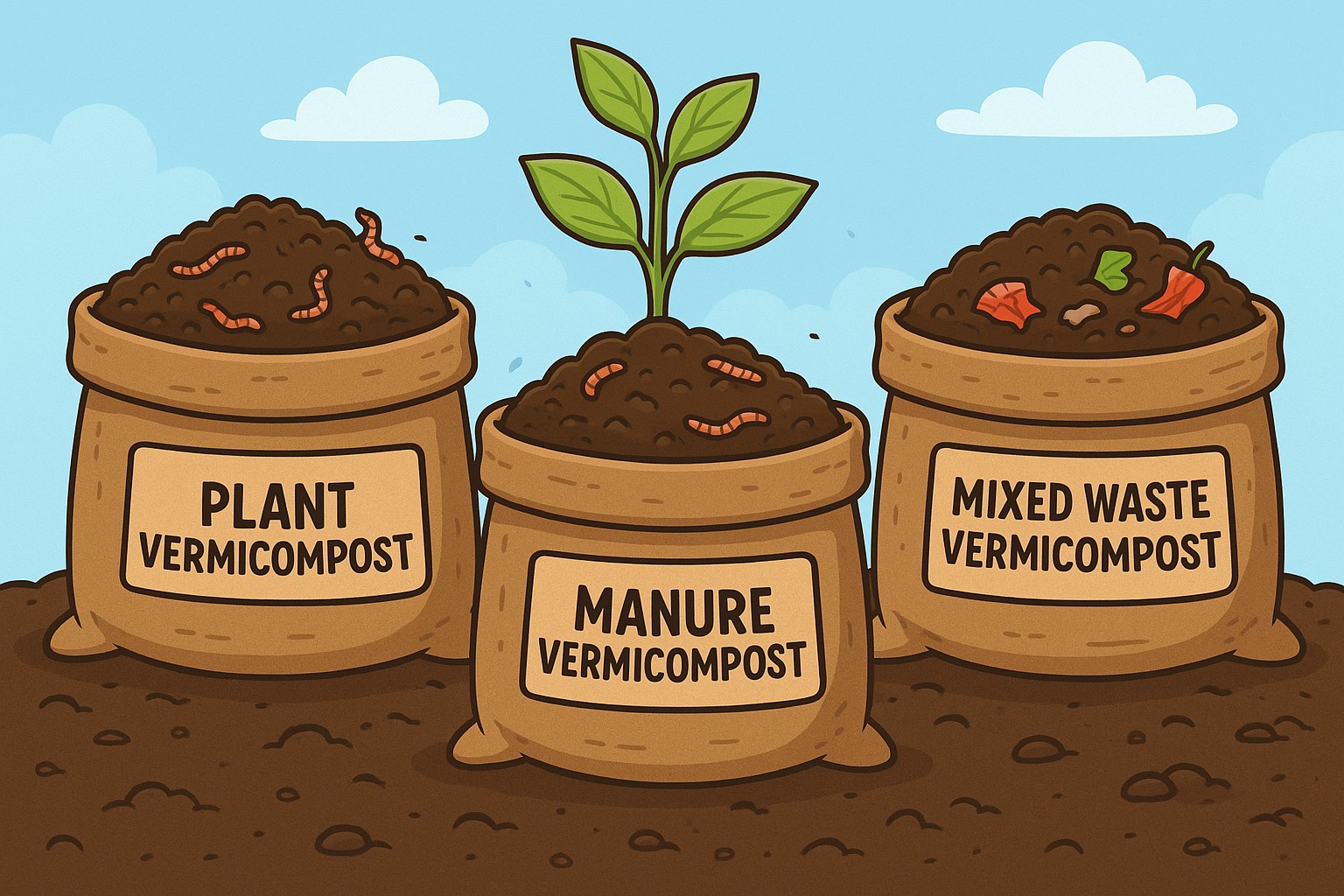
Ever wondered which vermicompost truly gives your garden the edge? Dive into the debate and discover why manure-based compost often shines, but also how mixed and plant-based options can be just as potent with proper care!
You’ve learned about the fascinating types of vermicompost and the magic earthworms work. But now comes the million-dollar question:
Which vermicompost is actually the best?
It’s a common query, and the truth is, the “best” can be subjective, depending on your goals and resources. However, when it comes to sheer quality and nutrient power, one type often stands out from the crowd:
The Champion: Manure-Based Vermicompost
If you’re asking about premium quality, manure-based vermicompost is generally held in very high regard. Think of it as the gourmet option in the world of soil amendments. Here’s why it often takes the top spot:
-
Nutrient-Rich Powerhouse: Animal manures – especially well-aged cow dung, horse manure, or poultry manure – are naturally packed with essential nutrients. We’re talking about the big three: nitrogen, phosphorus, and potassium (N-P-K), all crucial for vigorous plant growth. This rich composition transfers directly into the finished compost.
-
Balanced Composition for Optimal Worm Activity: Manures naturally possess a balanced carbon-to-nitrogen (C:N) ratio. This ideal balance is perfect for earthworms, promoting robust microbial activity. The result? A consistent, high-quality compost that’s teeming with beneficial microorganisms.
-
Enhanced Soil Structure Hero: Beyond just nutrients, the organic matter in manure-based vermicompost is exceptional at improving soil structure. It helps create the perfect environment for roots to thrive, increasing water retention (meaning less watering for you!) and boosting aeration, which is vital for healthy root systems.
But Wait, There’s More! Other High-Quality Contenders
While manure-based compost is often lauded, it’s crucial to remember that other types of vermicompost can also be of incredibly high quality if managed correctly. It’s all about providing the right conditions and diverse ingredients for your worm farm!
-
Mixed Waste Vermicompost: The Balanced Blend Master. This type can absolutely be premium. When you blend a diverse range of high-quality organic materials – perhaps a mix of kitchen scraps, yard waste, and even a touch of manure – you create a rich, balanced nutrient profile. This variety often leads to a wonderfully comprehensive compost.
-
Plant Residue-Based Vermicompost: The Green Gold Transformer. Don’t underestimate this one! If you incorporate a good variety of plant materials and ensure it’s properly balanced (perhaps by adding some nitrogen-rich coffee grounds or vegetable scraps), plant residue-based vermicompost can also be an excellent source of organic matter and nutrients for your soil. It’s fantastic for building long-term soil health.
Ultimately, the “best” vermicompost is the one that you can consistently produce, given your available resources and dedication to proper management. Manure-based offers a powerful head start, but with thoughtful mixing and attention to detail, you can create exceptional compost from a variety of raw materials.
What’s your go-to vermicompost type? Share your composting secrets in the comments below!
Comments are closed