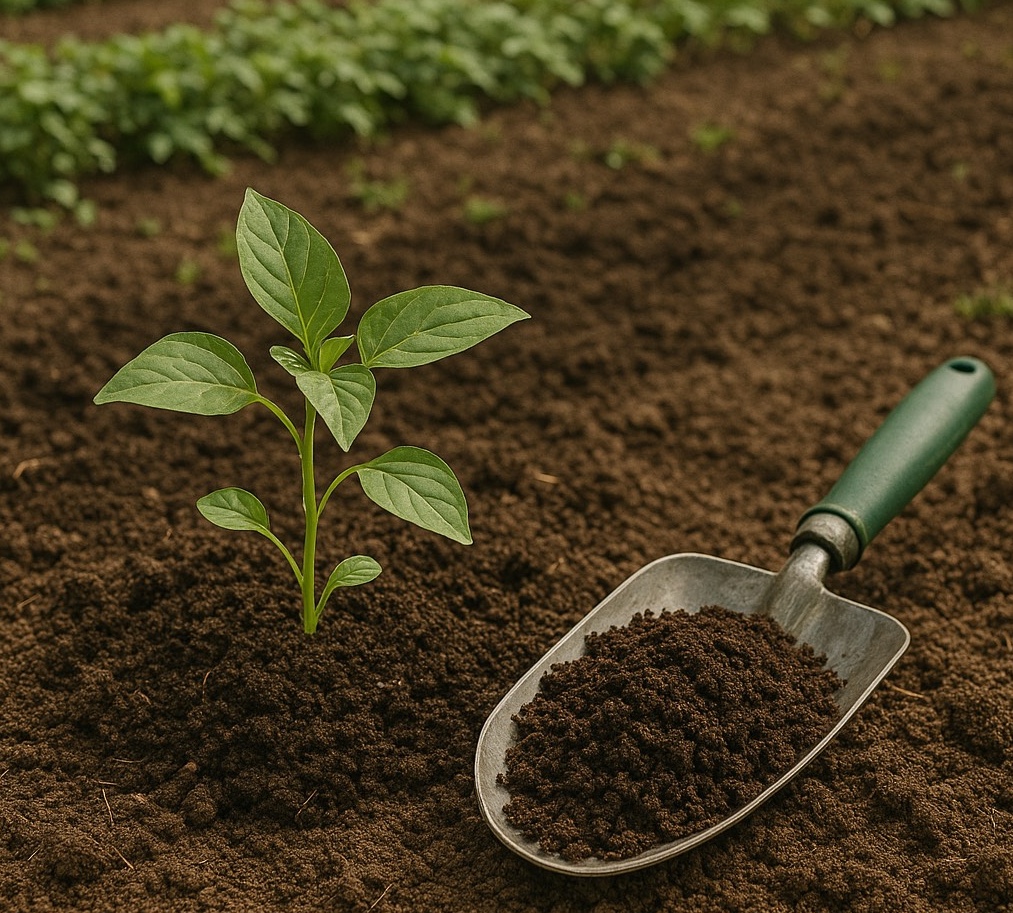
Ready to dive into the amazing world of vermicomposting? You know, that incredible process where tiny earthworms become your ultimate eco-heroes, turning organic waste into nutrient-packed goodness for your plants!
However, here’s a secret: not all vermicompost is created equal. Think of it this way: just like a gourmet chef carefully chooses ingredients for a perfect dish, the “raw materials” you feed your wiggly workers significantly impact the final product.
So, let’s unearth the different types of vermicompost based on what goes into the worm bin. Understanding these varieties will help you choose the best method for your needs and get the most out of your composting efforts!
Beyond the Basics: Discovering the Diverse World of Vermicompost
Vermicompost isn’t just one thing; instead, it’s a spectrum of rich, organic fertilizer. Each type has its own unique character. The key ingredient? It’s the “feedstock” – simply put, what you give your incredible earthworms to munch on!
Here’s a breakdown of the fascinating types of vermicompost, defined by their primary raw materials:
1. Manure-Based Vermicompost: The Powerhouse Producer
Raw Material: Cow dung, horse manure, poultry droppings.
If you’re looking for nutrient density, this is your go-to option. Animal manures are like superfoods for earthworms, packed with essential nutrients. These nutrients directly translate into incredibly rich compost. Furthermore, they create a fantastic, warm, and stable environment for your wrigglers to thrive. This leads to a high-quality finished product that plants absolutely adore. Therefore, it’s a classic for a reason – efficient and effective!
2. Plant Residue-Based Vermicompost: The Green Guardian
Raw Material: Your leftover veggie scraps, fruit peels, yard trimmings, fallen leaves, and crop residues.
This type is all about sustainability and resourcefulness! You’re taking green waste that might otherwise end up in a landfill and transforming it. While incredibly eco-friendly, plant residue alone can sometimes be a bit unbalanced in its carbon-to-nitrogen ratio. The trick here is often to mix it with other materials (perhaps a little manure or some nitrogen-rich kitchen scraps) to create the perfect buffet for your worms and ensure top-notch compost quality
3. Kitchen Waste-Based Vermicompost: The Home Composter’s Dream
Raw Material: Coffee grounds, eggshells, fruit and vegetable scraps from your daily cooking.
This is the ultimate win-win for home gardeners and eco-conscious households! It’s incredibly convenient, directly reducing your household waste. Simultaneously, it produces a continuous supply of gold-standard, nutrient-rich compost. Moreover, it’s easy to manage on a smaller scale. It’s also a fantastic way to introduce kids (and adults!) to the magic of composting. Plus, who doesn’t love turning their banana peels into plant food?
4. Mixed Waste Vermicompost: The Nutrient Optimizer
Raw Material: A glorious medley of manure, plant residues, and kitchen scraps.
Why choose one when you can have the best of all worlds? Mixed waste vermicompost is often the most balanced and nutrient-optimized. By combining different organic materials, you create a diverse diet for your worms. This, in turn, leads to compost that boasts a broad spectrum of nutrients and improved overall quality. Ultimately, it’s like a perfectly blended smoothie for your soil!
5. Industrial Waste-Based Vermicompost: The Eco-Innovator
Raw Material: Agricultural by-products, specific food processing waste, brewery sludge.
This type is where large-scale sustainability truly shines. Industries that generate significant organic waste can effectively turn their by-products into a valuable resource. However, this often requires more careful management and testing. This ensures that contaminants are not present and that the composting process remains safe and effective. Ultimately, it’s a powerful way to close the loop on industrial waste and contribute to a circular economy.
Which Vermicompost is Right for You?
The beauty of vermicomposting lies in its adaptability. Ultimately, the “best” type for you will depend on a few key factors. Consider what raw materials you have readily available, the specific nutrient profile you’re aiming for, and your ultimate goals for using the compost.
No matter which type you choose, one thing is certain: you’ll be contributing to a healthier planet and happier plants!
Ready to start your vermicomposting adventure? Share in the comments which type you’re most excited to try!
Comments are closed